Having recently graduated university with a degree in Applied Economics, Doug was more than ready to jump into his career; but, Covid made for an uncertain job market and he was unsure of his next step toward employment. Thankfully, Doug looked into his university’s career counselling program and they referred him to MentorAbility — a partnership that ultimately landed Doug a great job with a big Tech company!

In November 2021, with funding from the Government of Canada’s Workplace Opportunities: Removing Barriers to Equity program, CASE launched a study titled Diversity Works, to explore the unique challenges faced by Black, Indigenous, and people of colour experiencing disability as they navigated various stages of the employment journey with the assistance of supported employment service providers…

CASE Diversity Works is thrilled to announce two new learning opportunities that are sure to excite and inspire you, while giving you the tools to enhance existing supports for job seekers who experience disability and identify as Black, Indigenous, or Persons of Colour (BIPOC).

A country’s workforce is representative of its population. The Canadian population is racially and ethnically heterogeneous. Canadians have come from many countries of origin and diverse cultural backgrounds.
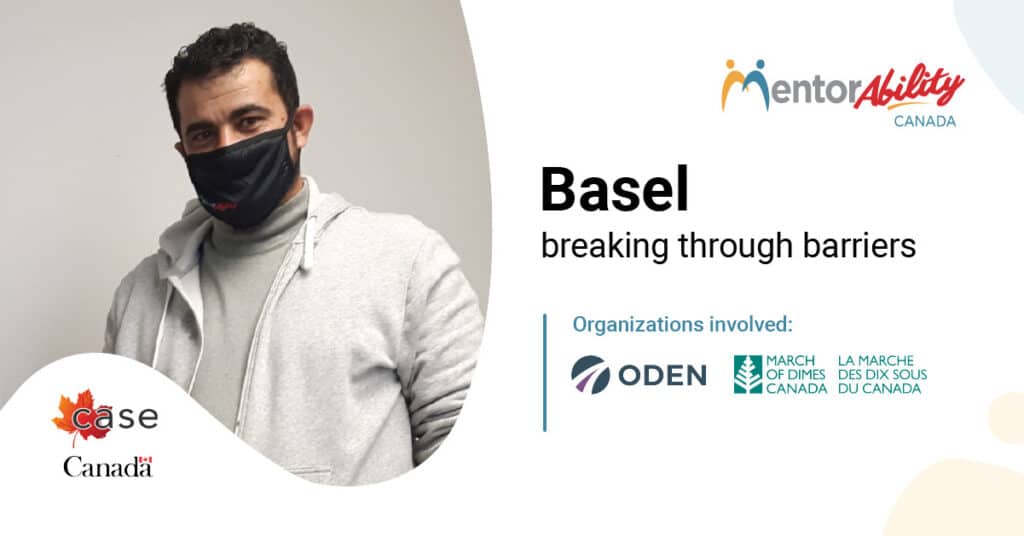
When Basel came to March of Dimes Canada (MODC) for help finding employment, he wanted to work full-time as a Farm Hand. Basel grew up in Syria where he worked on a farm his whole life. When he moved to Canada in 2016, however, he faced numerous barriers to employment including a lack of formal training, no Canadian job experience and deafness. With all these barriers in his way, it was not surprising that he struggled to secure employment.

A country’s workforce is representative of its population. The Canadian population is racially and ethnically heterogeneous. Canadians have come from many countries of origin and diverse cultural backgrounds.

Employment experiences for Black, Indigenous and People of Color (BIPOC) are vastly different than that of non-racialized individuals. The issues facing BIPOC are embedded in the history and socio-economic makeup of Canada and are so deep rooted that they have become system barriers to employment.
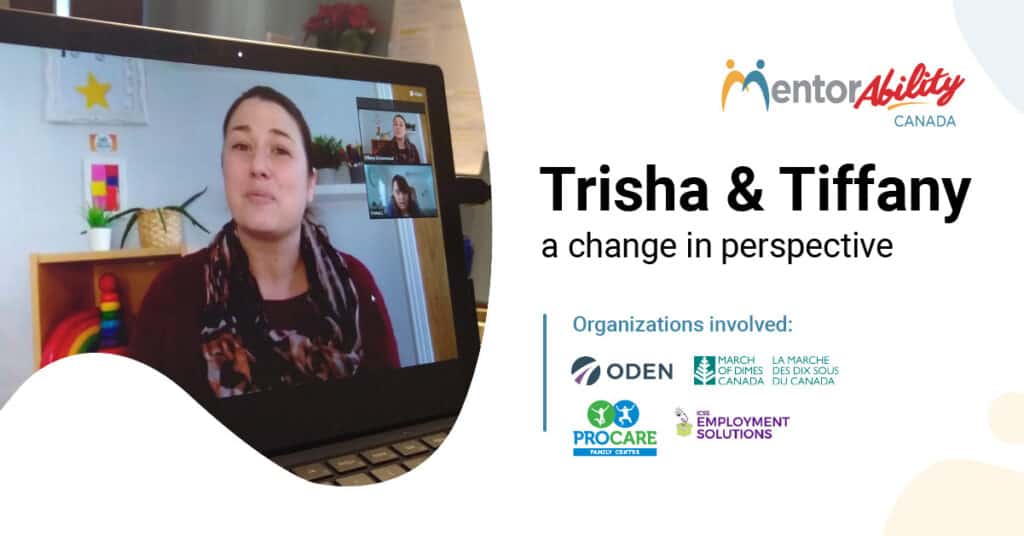
After considering potential career paths, Trisha had her sights set on working in the restaurant industry because she felt her positive energy and upbeat personality would translate well into customer service.
Trisha was soon referred to MentorAbility to gain hands-on work experience, and the first mentorship opportunity that came along was in childcare (and not the restaurant industry). Trisha figured that any work experience was good experience, so she agreed to be mentored by Tiffany, owner of the ProCare Family Centre in Ottawa.

A country’s workforce is representative of its population. The Canadian population is racially and ethnically heterogeneous. Canadians have come from many countries of origin and diverse cultural backgrounds.
“I believe inspiration and encouragement go a long way for every person, it only takes one person who believes in you to change a life,” said Erin (an awesome mentor from Saskatchewan!). Erin chooses to volunteer as a mentor to be that one person — the person who changes someone’s life for the better.
As an Indigenous Resource Officer with the local police, Erin is an advocate for Indigenous Protocols, accessibility, equality and equity; and, as such, she works hard to change the historically troubled relationship between police (simâkansuk) and Indigenous People into something more positive.